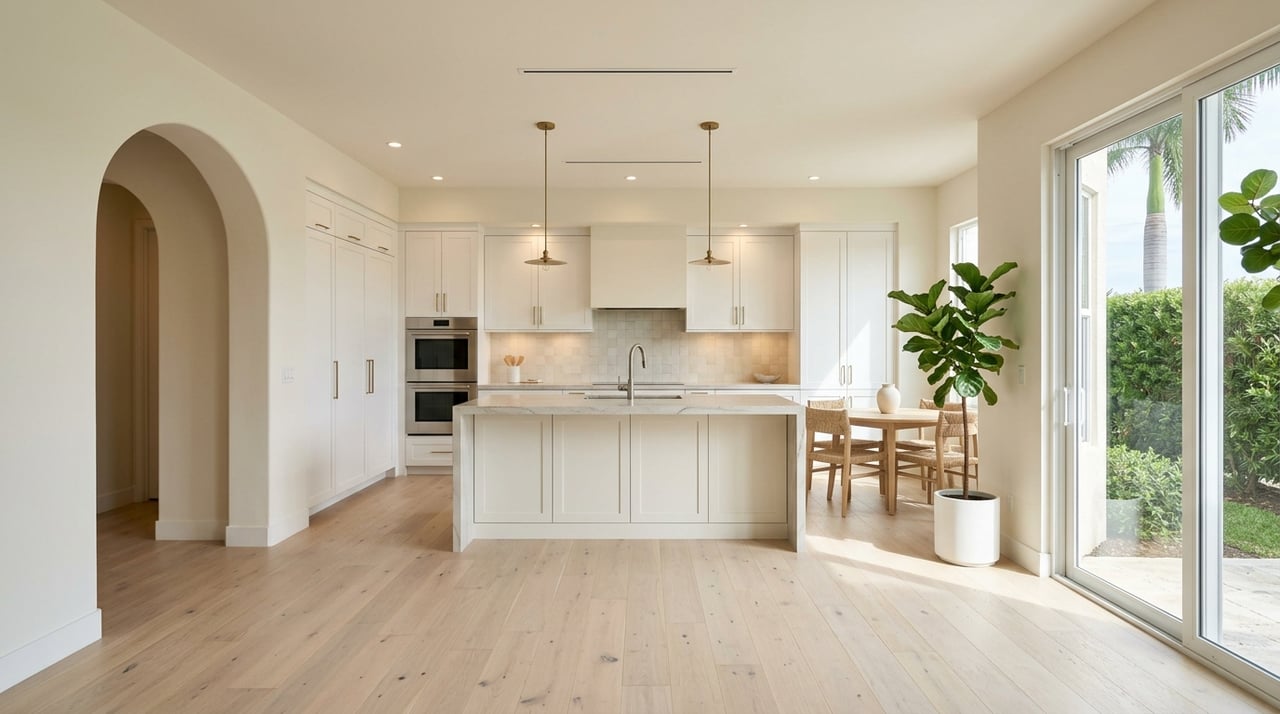
Coral Springs First-Time Homebuyer Guide: Key Steps
April 16, 2026
April 16, 2026
Buying your first home in Coral Springs can feel exciting and overwhelming at the same time. You want to make a smart move, avoid expensive surprises, and feel confident about what comes next. The good news is that first-time buying becomes much more manageable when you break it into clear steps and plan for the full cost of ownership. Let’s dive in.
Before you start touring homes, it helps to understand the local market you are stepping into. Coral Springs is a large Broward County suburb with about 23.97 square miles of land area, an estimated population of 136,062 as of April 2025, and 49 parks maintained by the city. That gives many buyers a broad mix of housing options and community amenities to explore.
The pace of the market also matters. In February 2026, Coral Springs homes sold for a median price of $612,500, up 12.8% year over year, while homes took an average of 136 days to sell and received about 2 offers on average. That means you should still be prepared and preapproved, but you may not be facing an every-home-sells-in-hours environment.
Your home search should start with your budget, not with online listings. A realistic budget helps you decide what monthly payment feels comfortable and how much cash you need upfront. It also keeps you from falling in love with a home that stretches your finances too far.
According to the Consumer Financial Protection Bureau, closing costs typically run 2% to 5% of the purchase price, separate from your down payment. That is why first-time buyers should look beyond the sticker price and think about the full amount needed to close.
In Coral Springs, your monthly ownership cost may include more than principal and interest. You should also plan for:
The CFPB’s home loan toolkit includes HOA dues as part of year-one housing costs. The City of Coral Springs also notes that tax bills can include non-ad valorem special assessments for services such as fire, solid waste, and stormwater through its revenue manual.
A common first-time buyer myth is that you need 20% down to buy a home. That is not always true. The U.S. Department of Housing and Urban Development says FHA loans can require as little as 3.5% down, and some conventional low-down-payment options can go as low as 3%.
That is why it is smarter to focus on your total monthly payment and your cash needed at closing instead of only chasing a specific down-payment percentage. The right loan structure depends on your finances, goals, and timeline.
Once you know your budget range, the next step is preapproval. The CFPB recommends getting preapproved before you start making offers and comparing Loan Estimates from multiple lenders. You can review that guidance in the CFPB’s home shopping resources.
Preapproval helps you in two ways. First, it gives you a realistic price range before you spend weekends touring homes. Second, it shows sellers that you are serious and financially prepared.
As a first-time buyer, you may have more than one path to financing. Depending on your eligibility, your options may include:
The Florida Housing Homebuyer Program offers 30-year fixed-rate first mortgages through participating lenders statewide. Eligible borrowers may also be able to use second-mortgage programs for down payment and closing cost assistance.
Broward County also offers a Home Buyer Purchase Assistance program for qualified buyers. The county says this assistance is a deferred-payment second mortgage at 0% interest with a 15-year term. It also requires first-mortgage approval, a HUD-approved homebuyer education class, a comprehensive home inspection report, and a 3% buyer contribution on non-VA loans.
Another local resource is Broward County’s Mortgage Credit Certificate program, which may provide qualified applicants with a federal income tax credit of up to $2,000 annually. If you are buying your first home, these programs are worth exploring early, since eligibility and funding availability can affect your next steps.
Once you are preapproved, it is time to narrow your search. At this stage, many buyers focus on floor plans, updates, and curb appeal. Those details matter, but in Coral Springs and Broward County, you should also evaluate insurance, flood risk, and association costs before you get too attached.
Flood risk should be part of your search from the beginning, not something you review right before closing. Broward County says its current flood-zone maps were updated effective July 31, 2024, and residents should review both the county map and FEMA’s map. You can start with Broward County’s flood map resources.
FEMA also explains that flood risk can exist outside high-risk zones, and flood maps help lenders determine insurance requirements. That makes flood review an important step whether you are buying a single-family home, townhome, or condo.
Many first-time buyers assume standard homeowners insurance covers flood damage. It usually does not. FEMA’s flood insurance guidance explains that flood coverage is generally a separate policy, and it may be required in high-risk flood areas for mortgages backed by the government.
In practical terms, that means insurance costs can change your monthly budget in a big way. It is best to ask about potential insurance requirements and premiums before you make an offer, not after inspections and loan processing are already underway.
If you are considering a condo, villa, or townhome, association costs should be part of your budget from day one. The CFPB’s Your Home Loan Toolkit specifically includes HOA dues in first-year housing costs.
That matters because a home that looks affordable based on mortgage payment alone may feel very different once monthly dues are added. Looking at the full picture helps you choose a home you can comfortably carry.
When you find the right home, your offer should match both your goals and your budget. In a market where homes are drawing about 2 offers on average, a well-prepared offer can still stand out without assuming every deal will turn into a bidding war.
This is where preparation pays off. A strong preapproval letter, a clear understanding of your closing funds, and a realistic comfort level on monthly costs can help you act quickly and stay calm during negotiations.
Many first-time buyers lump these steps together, but they each serve a different purpose. Knowing the difference can help you avoid confusion and protect your interests.
The CFPB recommends scheduling an independent home inspection as soon as a home is chosen. Its inspection guidance also explains that an inspection is different from an appraisal.
If your contract includes an inspection contingency, you may be able to:
That makes the inspection one of the most important protection steps in the transaction.
An appraisal is mainly for the lender. It helps confirm that the property value supports the loan amount. It is important, but it is not a substitute for a detailed inspection of the home’s condition.
That distinction matters because a home can appraise at value and still have issues that affect your budget or future repairs. As a first-time buyer, you want both steps handled carefully.
At closing, you are signing the legal and financial documents for your mortgage. The CFPB’s closing guidance recommends reviewing your Loan Estimate and Closing Disclosure carefully, shopping for homeowners and title insurance, and making sure the final numbers match your expectations.
If a fee looks unfamiliar or higher than expected, ask questions before you sign. Closing day should feel clear and organized, not rushed and confusing.
After you close on a primary residence in Florida, there is one more important task. The Florida Department of Revenue says a homestead exemption may reduce taxable value by as much as $50,000, and March 1 is the filing deadline for exemptions or classifications.
For Broward County buyers who plan to live in the home, this is an important way to help manage long-term carrying costs. Missing the filing deadline could mean waiting longer for that tax benefit.
Buying your first home in Coral Springs does not have to feel like guesswork. When you budget for the full cost, get preapproved early, check flood and insurance issues upfront, and understand the inspection and closing process, you put yourself in a much stronger position to buy with confidence.
If you want a clear, concierge-style plan for your first home purchase in Coral Springs, connect with Roi Danon for personalized guidance every step of the way.

August 27, 2026
August 20, 2026
August 13, 2026

August 6, 2026

July 23, 2026
July 16, 2026

July 9, 2026
July 9, 2026

July 9, 2026
Get assistance in determining current property value, crafting a competitive offer, writing and negotiating a contract, and much more. Contact me today.