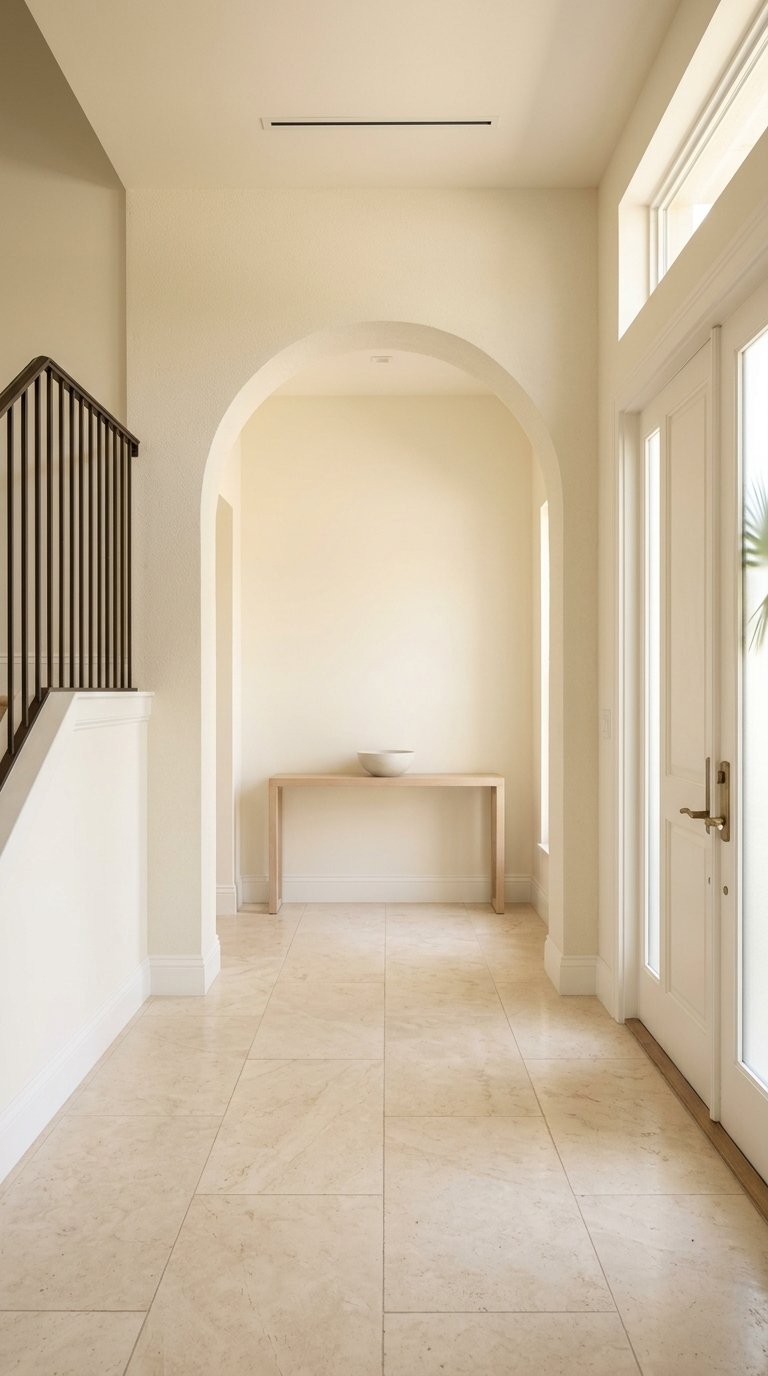
Sell and Buy in Parkland with a Smoother Move Strategy
June 25, 2026
June 25, 2026
If you are trying to buy a new Parkland home while selling your current one, the hardest part usually is not finding the right house. It is getting the timing right without taking on too much risk, too much stress, or two housing payments at once. In today’s Parkland market, where homes are taking longer to sell than in a fast-moving seller’s market, a smart plan matters even more. This guide will walk you through your main options, what to watch for, and how to build a smoother move from one home to the next.
In March 2026, Parkland was described as a balanced market, with homes selling about 2.41% below asking price on average and a median of 47 days on market. Another May 2026 market snapshot showed a median sale price of $1,146,814, homes taking about 68 days to sell, and a somewhat competitive environment. Broward County overall looked softer, with a buyer’s market label, a median of 79 days on market, and homes selling for about 97% of asking price.
What does that mean for you? It means you should plan for a sale that may take time, even in a desirable area like Parkland. It also means buyers may have a little more room to negotiate timelines and contingencies than they would in a very hot market.
Before you seriously shop for your next home, get clear on what you can afford and what funds you will need from your current sale. If your down payment or closing costs depend on your home equity, that affects how you structure both transactions. It is much easier to make good decisions when you know your numbers early.
A lender should help you review more than just the future mortgage payment. You also want to budget for closing costs, moving expenses, repairs, insurance, and HOA dues if the new property has them. Rates can change daily, so early planning gives you more control.
For many homeowners, this is the cleanest and least risky path. Selling first helps you avoid carrying two mortgages at the same time and gives you a clear picture of how much equity you will have for your next purchase. It can be especially useful if you need the sale proceeds for your down payment or closing costs.
This approach also puts you in a stronger position when you start shopping. You know what you netted, you know your budget, and you can write offers with fewer financial unknowns. In a market where homes may take several weeks to sell, that clarity can reduce a lot of stress.
The tradeoff is that you may need a temporary housing plan if your purchase does not line up right away. That is where careful coordination becomes important.
Selling first may be the best fit if:
Sometimes the right home comes up before your current home is under contract. That can happen in any market, especially if you have a very specific goal for location, lot size, layout, or features. In that case, buying first may be possible, but it requires more financial strength and tighter lender review.
Fannie Mae allows lenders to consider anticipated sales proceeds from your current home in some situations, but those proceeds must be documented. If you need those funds for the down payment or closing costs, the settlement statement from your old home must be provided before, or at the same time as, the new closing. A listing agreement alone is not enough.
There is another important issue here. If your current home is still pending sale during underwriting, your lender may need to count both your current housing payment and your proposed new housing payment unless the sale is fully documented and contingency conditions have been cleared. That can affect your approval.
Buying first may be worth exploring if:
A contingent offer can help bridge the gap between buying and selling. In simple terms, a contingency is a condition that must be met before the purchase can be completed. For a Parkland move-up buyer, the most relevant versions are usually a home-sale contingency or a home-close contingency.
A home-sale contingency gives you time to sell your current home. A home-close contingency gives you time to actually close on that sale. These terms should include clear deadlines so everyone understands the timeline.
In some cases, the seller may include a kick-out clause. That means the seller can keep showing the home and may accept another offer if your contingency is not satisfied in time. This can sound intimidating, but in a balanced or buyer-leaning market, contingent structures may be more workable than they would be in a very competitive seller’s market.
Parkland is not acting like an ultra-hot market right now, and Broward County overall has been softer. That does not guarantee a seller will accept a contingent offer, but it does support the idea that some sellers may be open to flexibility, especially if the timelines are clear and your overall offer is strong.
A rent-back, also called post-closing occupancy, can help if you sell your current home before your next one is ready. In this setup, you close the sale but remain in the home for a short period if the buyer agrees. This can give you breathing room and help you avoid a rushed move.
The arrangement should be put in writing and coordinated carefully. Insurance coverage should be confirmed, and lender approval may be needed. Many lenders do not accept leasebacks longer than 60 days, so this is usually a short-term solution rather than a long-term one.
For some Parkland sellers, a rent-back creates the flexibility needed to sell cleanly first and then complete the purchase with less pressure.
Bridge financing can sometimes help you buy a new home before your current one closes. This is a short-term financing option, generally 12 months or less, used when a borrower plans to buy a new dwelling and sell the current one within that period.
This is not the default solution for most homeowners. It can add cost and complexity, and lender approval is critical. Still, for the right situation, it may provide a practical short-term bridge when timing does not line up perfectly.
One detail many buyers overlook is how different the tax picture can be after a move. In Broward County, a change in ownership resets the assessed value to full market value, which can increase property taxes for the new owner. Even if the next home feels similar in value to your current one, the future tax bill may look very different.
If the new property will be your Florida homestead, there may be an opportunity to transfer all or part of your Save Our Homes assessment difference through portability. The homestead exemption itself does not transfer automatically. Eligible owners must file the proper application, including Form DR-501T with the homestead application for the new home.
For Broward’s 2026 exemption year, the official timely filing deadline was March 2, 2026, and the late filing deadline was September 18, 2026. If you are making a move in Parkland, this is an important item to discuss early so there are no surprises after closing.
When you are buying and selling at the same time, your success usually comes down to coordination. The home search matters, but the timing strategy matters more. A realistic plan should account for market time, inspections, underwriting, closing dates, and what happens if one side moves faster than the other.
Here are the main pieces that should be coordinated from the start:
The more clearly these pieces work together, the smoother your transition tends to be.
If your main goal is reducing risk, selling first is usually the strongest path. If your main goal is securing a specific replacement home, you may need to explore a contingent offer, bridge financing, or another lender-approved strategy. If your main concern is avoiding a housing gap, a rent-back may help create breathing room.
There is no one-size-fits-all answer. Your best route depends on your equity, budget, timing, and how flexible both transactions can be.
Buying a new Parkland home while selling your current one is possible, but it works best when the plan is built around timing rather than guesswork. In today’s local market, realistic expectations matter. Homes are still selling, but they are not always selling instantly, which makes preparation, negotiation, and backup plans especially important.
With the right strategy, you can reduce the chance of carrying two homes, missing out on the next one, or scrambling at the last minute. A concierge-style approach can make a real difference when multiple deadlines, contracts, and moving pieces need to line up.
If you are planning a move in Parkland or elsewhere in Broward County, Roi Danon can help you map out the timing, evaluate your options, and coordinate a smoother sale-and-purchase strategy.
October 15, 2026
October 8, 2026
October 1, 2026

September 24, 2026
September 17, 2026

September 10, 2026
September 3, 2026

September 3, 2026

August 27, 2026
Get assistance in determining current property value, crafting a competitive offer, writing and negotiating a contract, and much more. Contact me today.