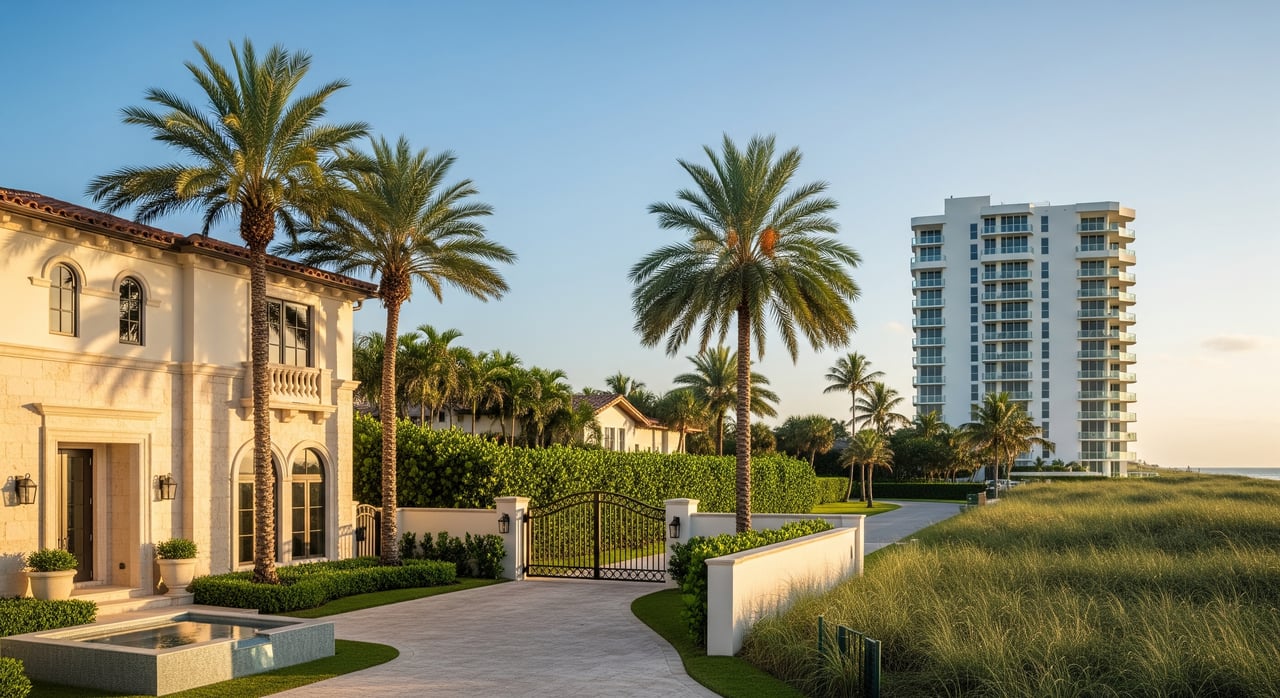
HOA vs Condo in Delray Beach: How to Choose Confidently
December 4, 2025
December 4, 2025
Thinking about buying in Delray Beach and not sure whether a condo association or an HOA is the better fit? You are not alone. The right choice affects what you own, how much you pay each month, your insurance, and the rules you live by. In this guide, you will learn the key differences, the documents to review, and the local factors that matter east and west of I‑95. Let’s dive in.
In a Florida condominium, you typically own the interior of your unit and share ownership of the building’s common elements with other owners. The condo association manages and insures the building structure and common areas under the Condominium Act (Chapter 718, Florida Statutes). This model is common for Delray’s mid and high‑rise buildings near the beach and downtown.
In an HOA community, you usually own the home and the land. The HOA owns and maintains common areas, enforces covenants, and sets design standards under the Homeowners’ Association Act (Chapter 720, Florida Statutes). This setup is more common in planned single‑family and townhome neighborhoods west of I‑95.
Who owns the building shell and who insures it drives your monthly dues, your personal insurance, and your risk if major repairs are needed. Condos spread many structural costs across all owners. HOAs push more exterior and roof responsibilities to each homeowner. Knowing where the line is drawn helps you budget and avoid surprises.
Condo dues typically fund building insurance, structural upkeep, elevators, garages, hallways, security systems, and amenities. Because the association carries more responsibility, dues are often higher per unit. You benefit from professional building care, but you share in building‑wide costs.
HOA dues usually cover landscaping of common grounds, community pools, gates, roads, and amenities. Owners insure and maintain their own structures, roofs, and immediate yards unless the covenants say otherwise. Dues may be lower, but you should plan for your own exterior repairs and replacements.
Both condos and HOAs maintain reserve funds for major items like roofs, pavement, and pool equipment. A strong reserve lowers the chance of special assessments. After recent high‑profile building issues in South Florida, boards and lenders are paying closer attention to reserve adequacy and inspection results. Ask for the latest reserve study, current budget, and financial statements to see if savings match upcoming needs.
Condo associations carry a master policy that insures the building’s common elements and may insure portions of the unit shell. As an owner, you typically carry an HO‑6 policy for interior finishes, personal property, and liability. Verify where the master policy stops and your responsibility starts. Some policies are bare‑walls‑in, while others are bare‑walls‑out.
In an HOA, the association insures common areas like pools, clubhouses, and private roads. You carry an HO‑3 policy for your home and lot. If the community has private infrastructure, confirm how it is insured and maintained because those costs can affect dues and assessments.
Flood insurance is separate from property insurance. Many properties east of I‑95 sit in higher‑risk flood zones, and lenders may require flood coverage. Some condo associations buy flood policies for buildings, but you still need personal coverage as required. Confirm flood zones, who pays for flood premiums, and whether any recent premium increases have affected dues.
Condo associations handle exterior maintenance, building systems, and shared amenities. This can fit a low‑maintenance lifestyle, especially for seasonal residents. The tradeoff is less flexibility on renovations that touch shared elements and the possibility of building‑level assessments for large projects.
In an HOA, you have more control over your home’s exterior and yard, subject to design guidelines. You also carry more maintenance responsibility and cost, from roof replacement to exterior paint and driveways. If the community has private roads, gates, or stormwater systems, the HOA may levy assessments when these need work.
Both condos and HOAs elect boards that set budgets and rules. Florida statutes outline meeting and disclosure procedures, but communities vary in transparency. Reviewing recent meeting minutes and budgets gives you a feel for how issues are handled and communicated.
Condo rules often address balcony safety, storage, hurricane shutters, and modifications that may affect shared systems. HOAs commonly use an architectural review process for exterior changes like paint colors, fences, and landscaping. Knowing the process and timelines helps you plan improvements.
Many associations limit rentals, set minimum lease terms, or cap the percentage of homes that can be leased. Buildings near the beach or downtown may have stricter policies, but rules vary widely. If renting is part of your plan, verify the current policy and any proposed changes.
East Delray’s condos often have complex building systems such as elevators, garages, and coastal exteriors that need regular maintenance. Dues can be higher to support those systems and stronger reserves. West Delray’s HOA neighborhoods lean to single‑family living, where you control your property but budget for your own roof and exterior.
Recent South Florida events have increased focus on structural integrity. Older seaside buildings commonly face balcony repairs, waterproofing, and concrete restoration. Request engineer reports and timelines for any required work, and verify how the association plans to fund it.
Lenders review association financials, insurance, reserves, litigation, and rental ratios. For condos, project approvals and adequate insurance can affect loan options and rates. Strong governance, healthy reserves, and clear inspection records support smoother financing and future resale.
If you prefer low maintenance and do not mind shared decision making, a well‑run condo near the beach could fit your lifestyle. If you want control over your home and are comfortable planning for exterior upkeep, an HOA west of I‑95 may be the better move. In both cases, the association’s finances, reserves, insurance, and rules will shape your costs and flexibility.
If you want help comparing specific buildings or neighborhoods, a guided review of documents and financials can make your choice clearer and more confident. Reach out for a concierge walkthrough of options, budgets, and risk factors tailored to your goals.
Ready to explore the best fit for your lifestyle and budget in Delray Beach? Connect with Roi Danon for a Free Concierge Consultation.
October 15, 2026
October 8, 2026

October 1, 2026
September 24, 2026
September 17, 2026

September 10, 2026
September 3, 2026

September 3, 2026

August 27, 2026
Get assistance in determining current property value, crafting a competitive offer, writing and negotiating a contract, and much more. Contact me today.