Living in Coral Springs: What to Know About Homes & Lifestyle
June 4, 2026
June 4, 2026
If you are thinking about a move in Broward County, Coral Springs often comes up for a reason. It offers an established suburban setting, a strong parks system, a growing downtown area, and a wide range of home options that can fit different budgets and goals. If you want to know what day-to-day life looks like here and what kind of housing you can expect, this guide will help you sort through the details. Let’s dive in.
Coral Springs is a 24-square-mile city in northwest Broward County with an estimated population of 140,808 as of July 1, 2024. The city describes itself as having a family atmosphere, thriving businesses, and advanced recreational facilities. It is also considered fully built out, which means most housing is part of an established residential base rather than large new development tracts.
That built-out character matters when you are choosing where to live. In Coral Springs, you are often looking at mature neighborhoods, established streets, and communities with long-standing design standards. For many buyers, that creates a more settled feel and a clearer sense of what the area looks like from block to block.
Census QuickFacts also show a median household income of $93,602 and a poverty rate of 7.6%. Those figures help paint a picture of a stable city with a broad residential base. For buyers and sellers alike, that kind of context can be useful when you compare Coral Springs with other parts of Broward County.
One of the clearest themes in Coral Springs is structure. The city supports neighborhood and homeowner associations, including single-family neighborhoods and condominium or townhouse associations. There are also exterior standards tied to items like roofs and fences, which suggests many communities place a strong focus on upkeep and appearance.
For you, that can mean a more consistent streetscape and a more regulated exterior environment. It can also mean you may need to pay attention to approval processes if you plan to make changes after you buy. That is an important part of the lifestyle here and something worth understanding early in your home search.
The city also balances suburban calm with public activity. Coral Springs is not just rows of houses and shopping centers. It has arts venues, community events, recreation programs, and a downtown area that adds more energy than you might expect from a typical suburb.
If outdoor amenities matter to you, Coral Springs has a lot to offer. The city maintains 49 parks, and its Parks and Recreation Department runs programs for all ages. It also manages the Aquatic Complex, tennis facilities, summer camps, after-school programs, and the city gymnasium.
The park system is one of the biggest lifestyle advantages for residents. Across the city, you will find amenities that include pools, water play areas, baseball and soccer fields, pickleball courts, a fitness track, a skate park, a dog park, and walking trails. Major names in the park system include the Aquatic Complex, Cypress Hammock, Cypress Park, and Betti Stradling Park.
This matters whether you are buying your first home, upsizing, or looking for a community with more ways to stay active close to home. A strong local park network can shape your weekly routine in a very real way. It gives you more options for exercise, downtime, and community connection without needing to leave the city.
Coral Springs also has a public-life side that adds variety to the suburban experience. The city’s Arts & Cultural Enrichment department oversees the Coral Springs Center for the Arts and the Coral Springs Museum of Art. Downtown also includes ArtWalk, which is described as a pedestrian-friendly public art corridor.
That arts presence helps create a more active town center feel. It gives residents more local options for events, exhibits, and cultural programming. If you like living in a place where there is more to do than just commute home and stay in, this is a meaningful part of Coral Springs’ appeal.
Shopping and dining are centered around established retail corridors and the downtown district. Coral Square, located at Atlantic Boulevard and University Drive, reports more than 120 stores and more than 15 eateries. Downtown Coral Springs also includes Cornerstone Plaza, an open-air mixed-use project with luxury rental apartments, shopping, dining, and additional retail and entertainment space.
Coral Springs is primarily a driving city. Census data lists the mean travel time to work at 29.9 minutes, and transportation profiles describe the city as car-dependent. Key corridors for traffic and transit planning include Sample Road, University Drive, Wiles Road, Atlantic Boulevard, and SR 7/US 441.
For many buyers, this is not a drawback so much as a planning point. If you work in another part of Broward County or travel often across the region, you will want to think carefully about your preferred route and proximity to major roadways. Commute patterns can make one part of Coral Springs feel more convenient than another.
Transit is available, but it plays more of a supporting role than a primary one. The Coral Springs Community Shuttle Bus is free for residents and visitors and runs Blue and Green routes. It also connects with Broward County Transit fixed routes, which helps with local access and first-mile or last-mile connections.
Coral Springs offers a balanced mix of housing types. The city’s housing plan supports mixed-use regulations and a variety of residential land uses. It also references townhouse development and some mobile-home uses in designated districts.
In practical terms, you can expect single-family homes to shape much of the city’s residential identity, along with townhomes, condos, and some multifamily options. That range gives you flexibility whether you want more space, lower maintenance, or an entry point into the market. It also means Coral Springs can appeal to buyers in different life stages.
The housing stock here tends to feel suburban and established rather than brand new and master-planned. Because the city is built out, many homes are in existing neighborhoods with defined patterns and community rules. If you prefer mature surroundings over large new construction zones, that can be a real advantage.
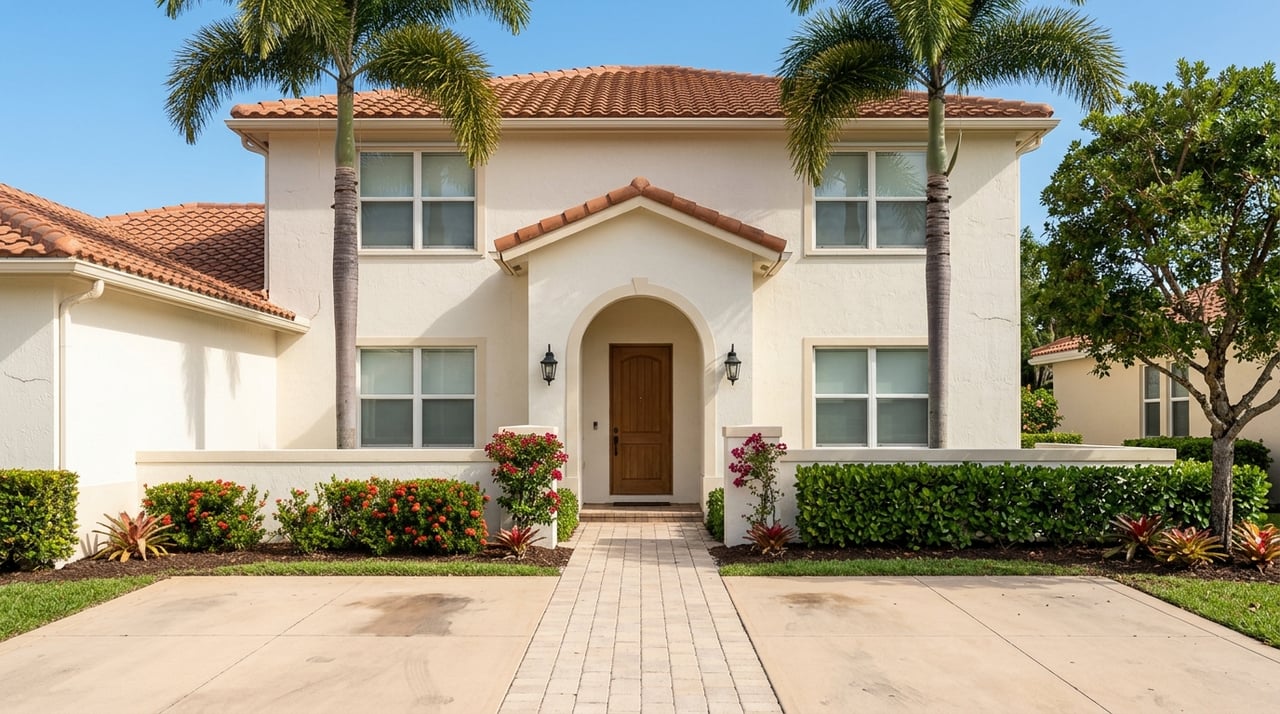
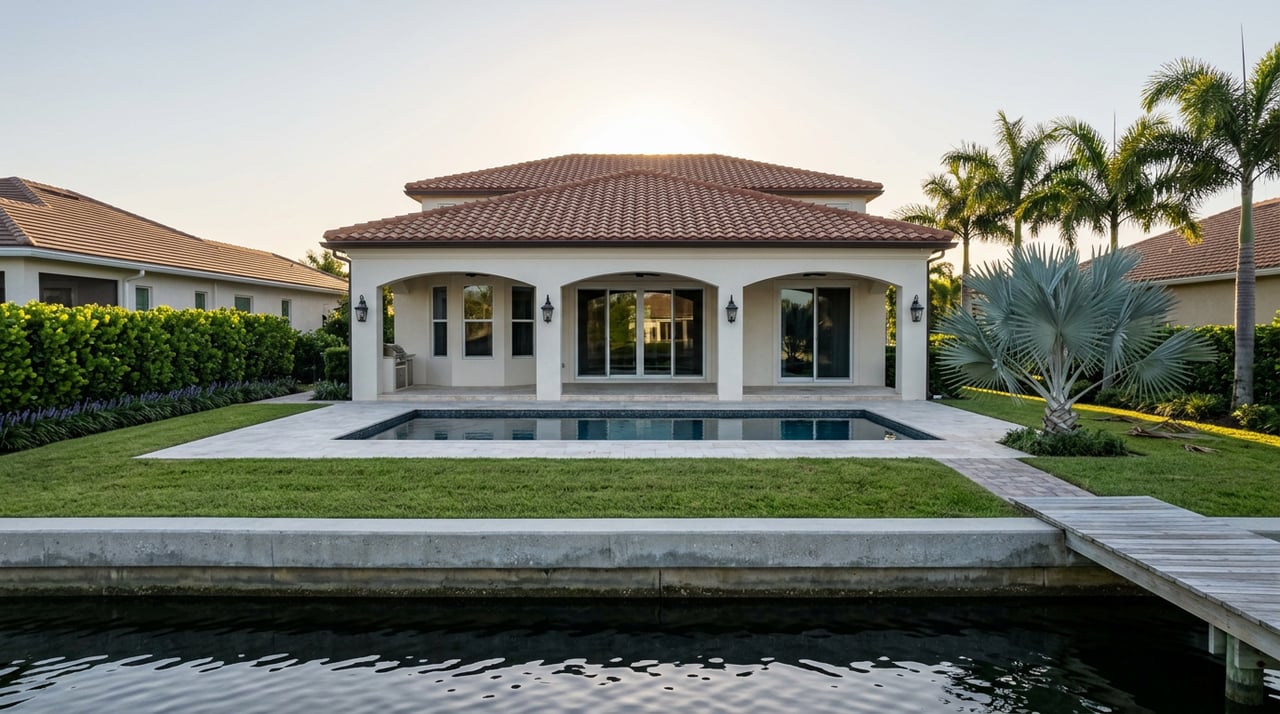
Coral Springs has a more controlled exterior design environment than some nearby areas. The city’s roof guidelines specify cement or clay tile roofs for many single-family dwellings, while only certain subdivisions are approved for asphalt shingles. Fence and property-guideline pages also show that exterior improvements may be subject to city standards or architectural review.
That can affect both buyers and current owners. As a buyer, you should factor maintenance expectations and community standards into your decision. As a seller, those standards can also support a more uniform look across a neighborhood, which may influence how homes present to the market.
If you are trying to understand pricing, current indicators place Coral Springs in the mid-$500,000s for a typical home, though the exact number varies by source. Zillow reported a typical home value of $520,777 and a median sale price of $534,150 as of March to April 2026. Redfin reported a median sale price of $589,695 for the three months ending April 2026.
Federal census data adds another useful benchmark. The Census Bureau lists a median owner-occupied home value of $545,400 and a median gross rent of $2,084. Taken together, these figures suggest a market with a meaningful spread depending on home type, location, and condition.
Realtor.com described Coral Springs as a balanced market in March 2026. It reported a median of 61 days on market, with homes selling about 2.67% below asking on average. For buyers, that may point to room for negotiation in some cases. For sellers, it reinforces the value of pricing and presentation that match current market conditions.
Coral Springs can be a strong fit if you want a suburban city with established neighborhoods, a large park system, and a mostly car-based lifestyle. It also works well if you value having townhomes, condos, rentals, and single-family homes all within the same city. That variety gives you options if your needs change over time.
It may be less appealing if you want a highly walkable, transit-first environment where most errands happen on foot. While downtown adds some mixed-use activity, the city as a whole still functions mainly around driving. Knowing that ahead of time can help you decide whether Coral Springs matches your day-to-day priorities.
For many relocating buyers, the appeal is the balance. You get a city with strong recreational infrastructure, established residential areas, and enough shopping, dining, and arts programming to make local living feel full rather than limited. That combination is a big reason Coral Springs continues to draw attention in Broward County.
Before you choose a neighborhood or property in Coral Springs, it helps to think about a few practical questions:
These questions can help narrow your search quickly. They also make it easier to focus on the parts of Coral Springs that best match your lifestyle and budget.
If you are exploring Coral Springs as your next move, working with a local broker who understands neighborhood patterns, pricing, and community standards can save you time and reduce stress. For personalized guidance on buying, selling, renting, or investing in Coral Springs and across Broward County, reach out to Roi Danon.
October 15, 2026
October 8, 2026
October 1, 2026
September 24, 2026
September 17, 2026

September 10, 2026
September 3, 2026
September 3, 2026
August 27, 2026
Get assistance in determining current property value, crafting a competitive offer, writing and negotiating a contract, and much more. Contact me today.